Jari K. Leinonen - Interview

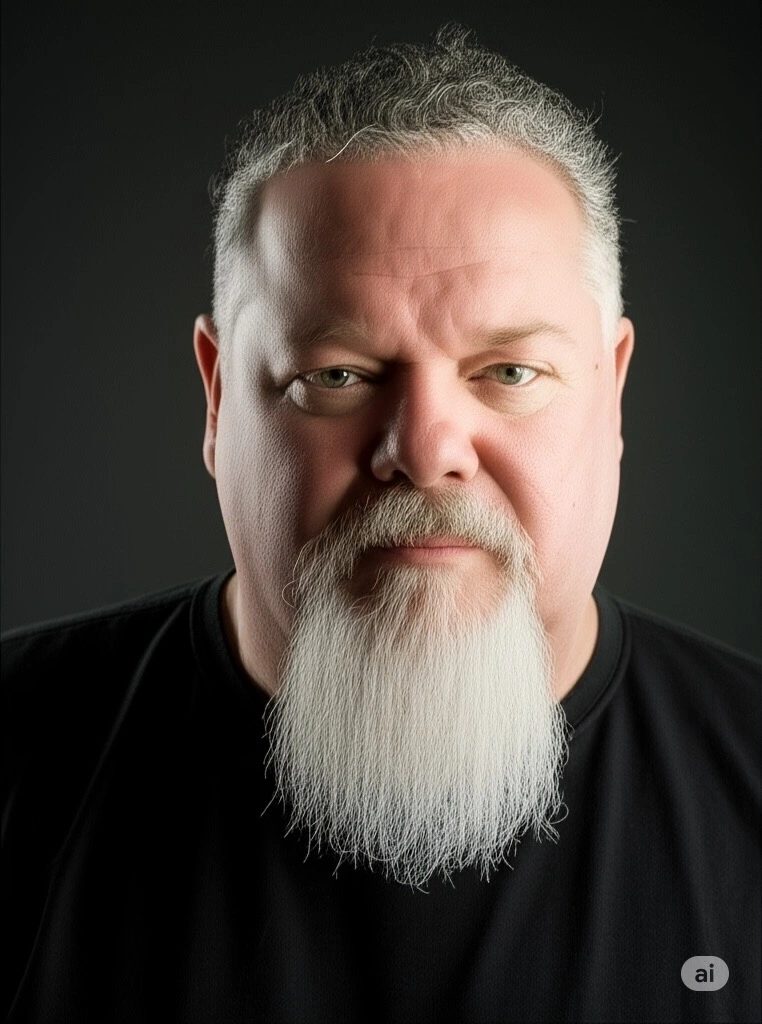
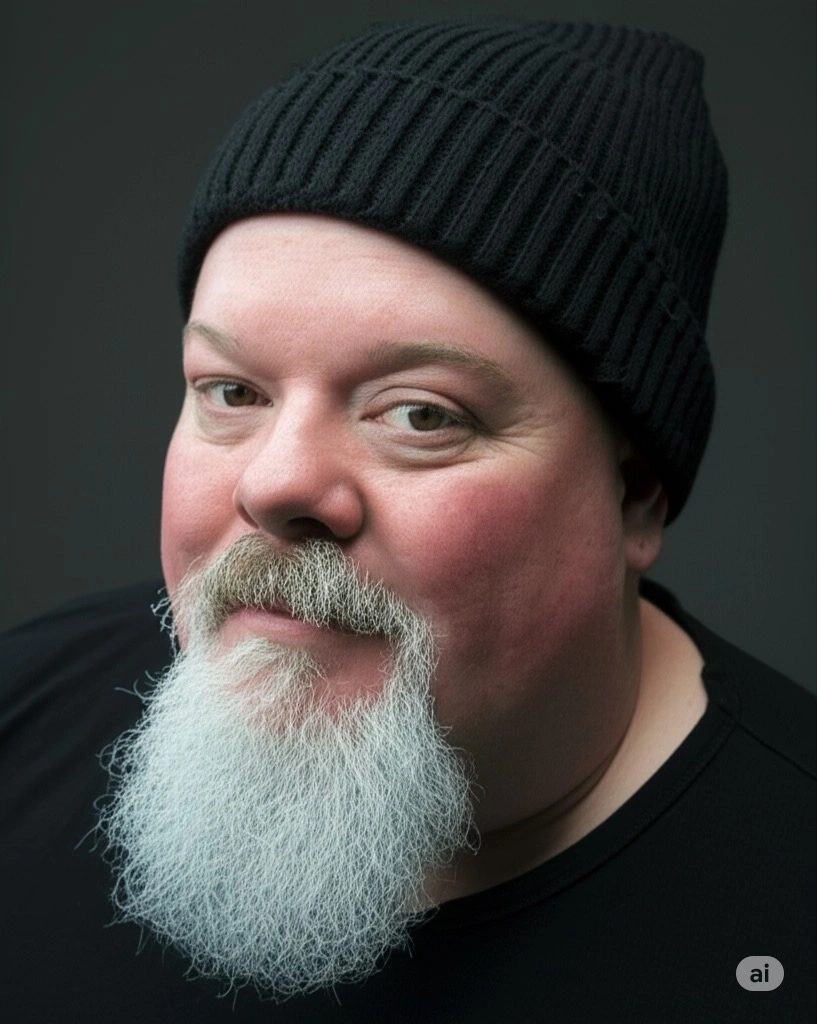
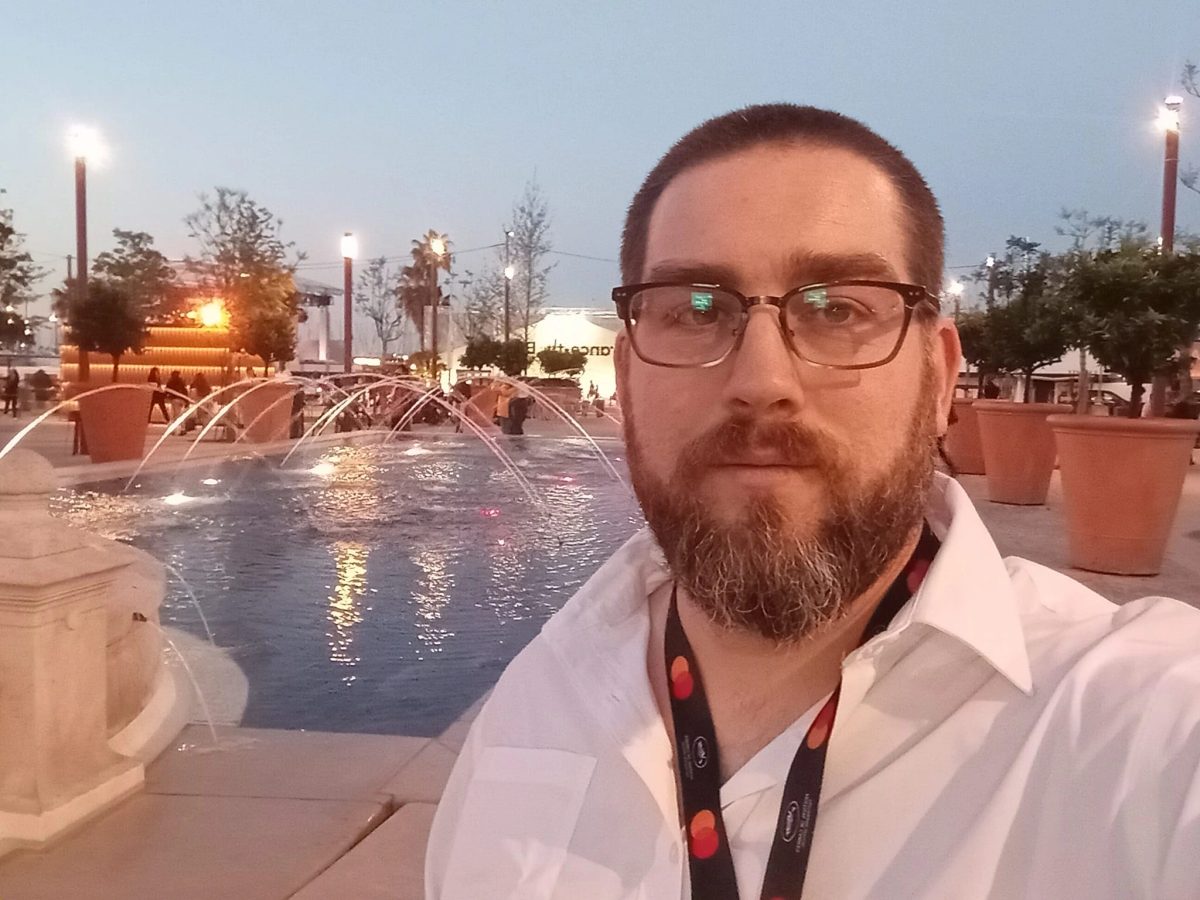
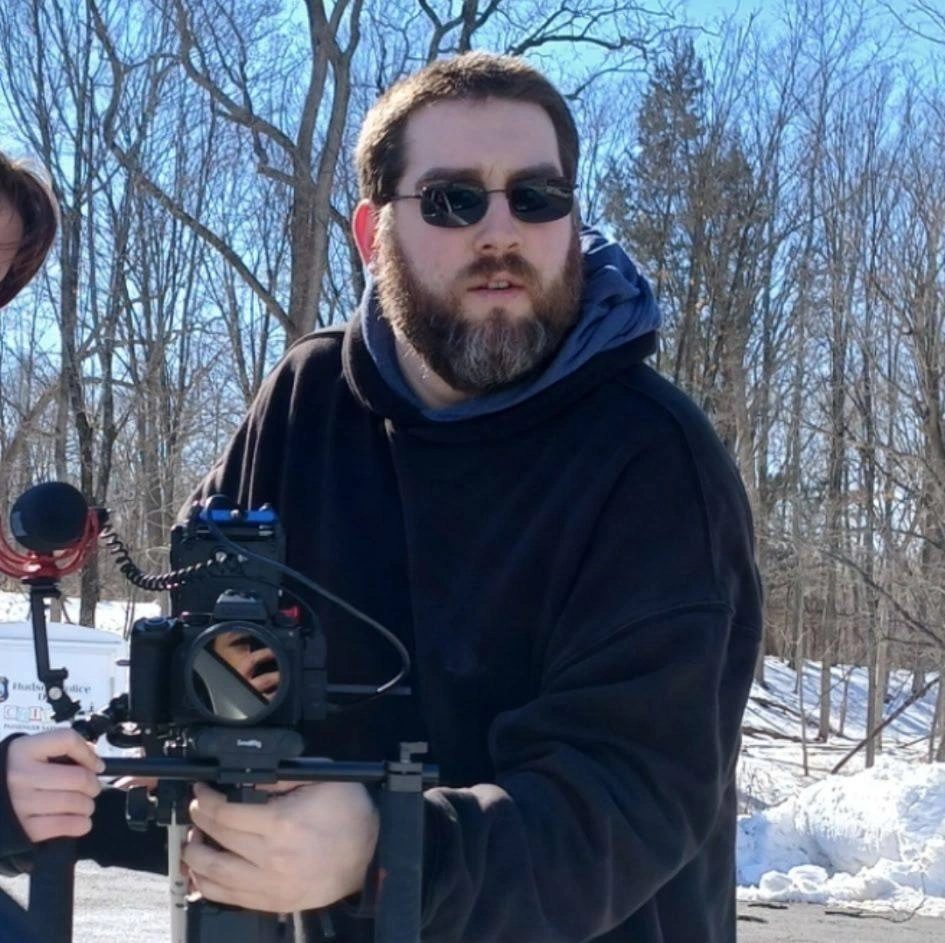
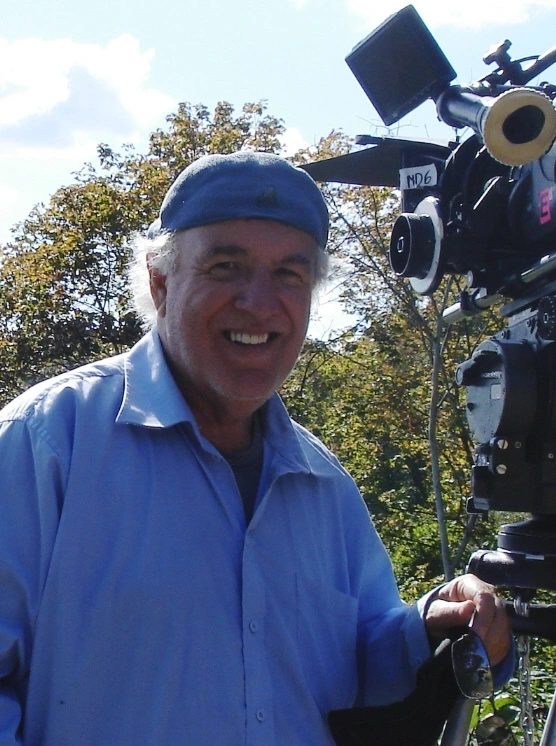
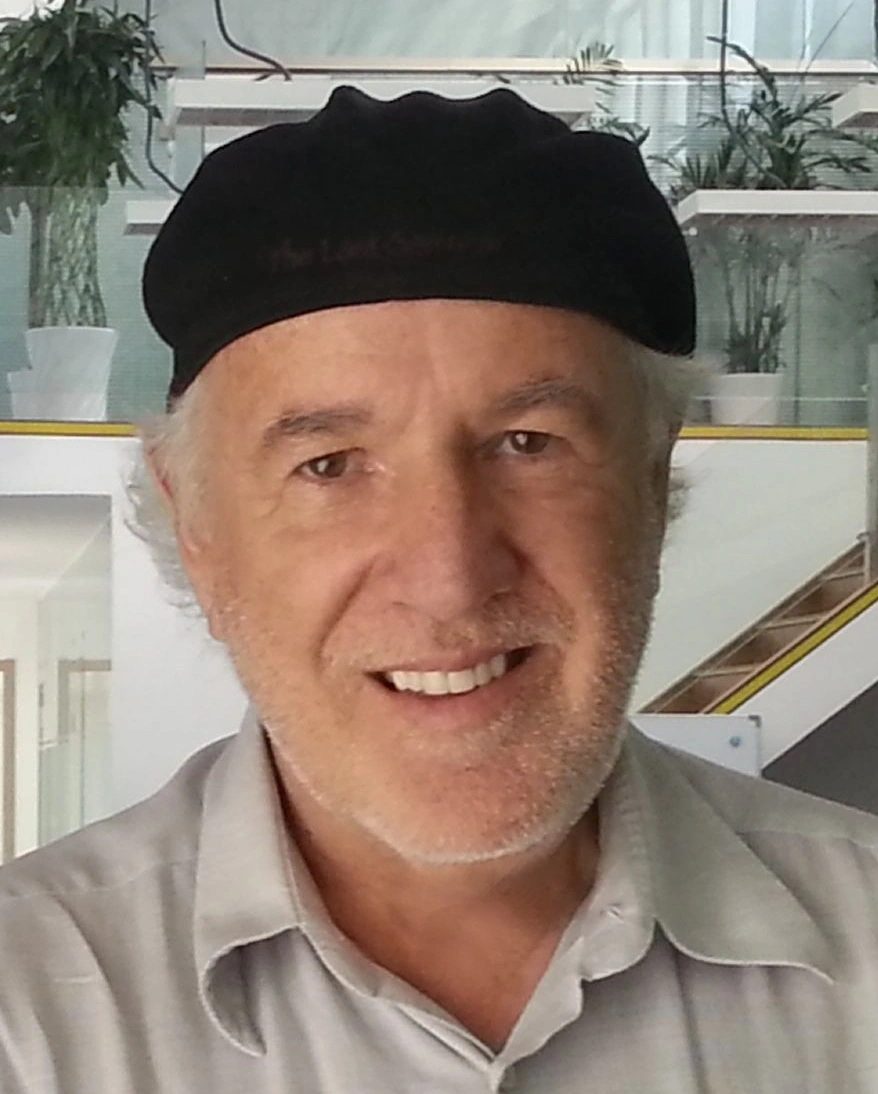
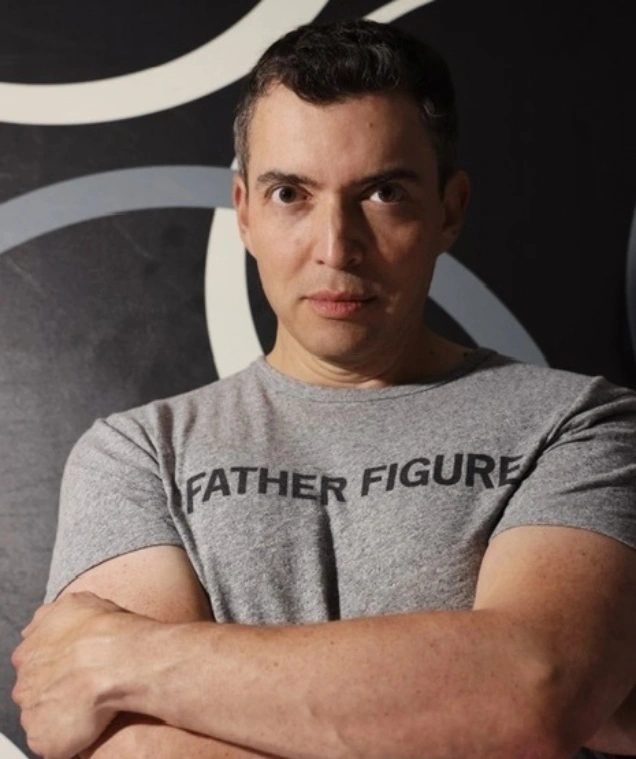
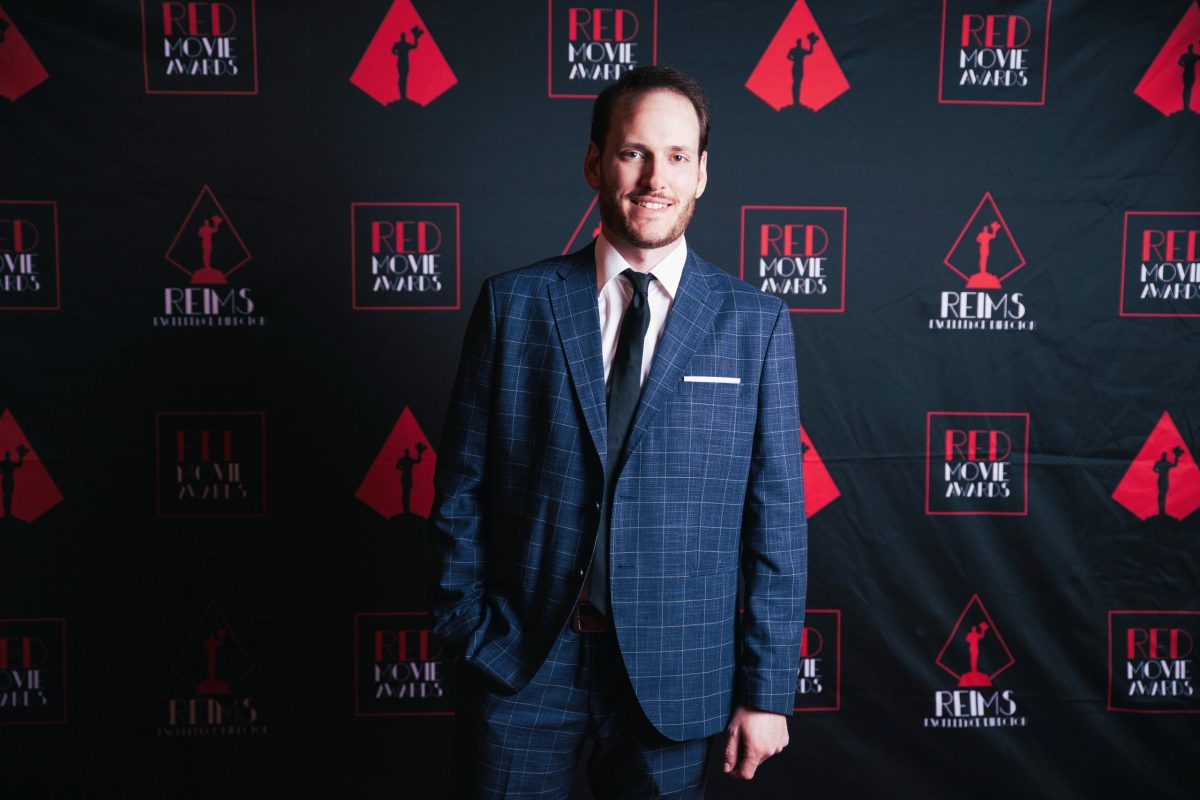
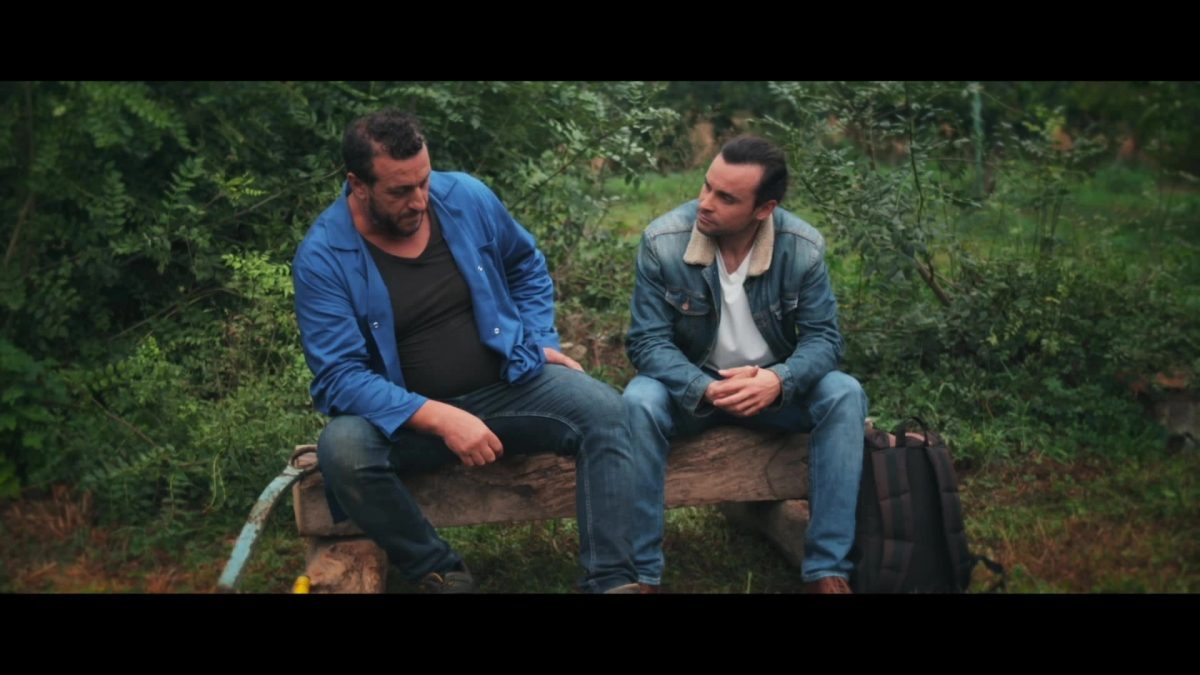
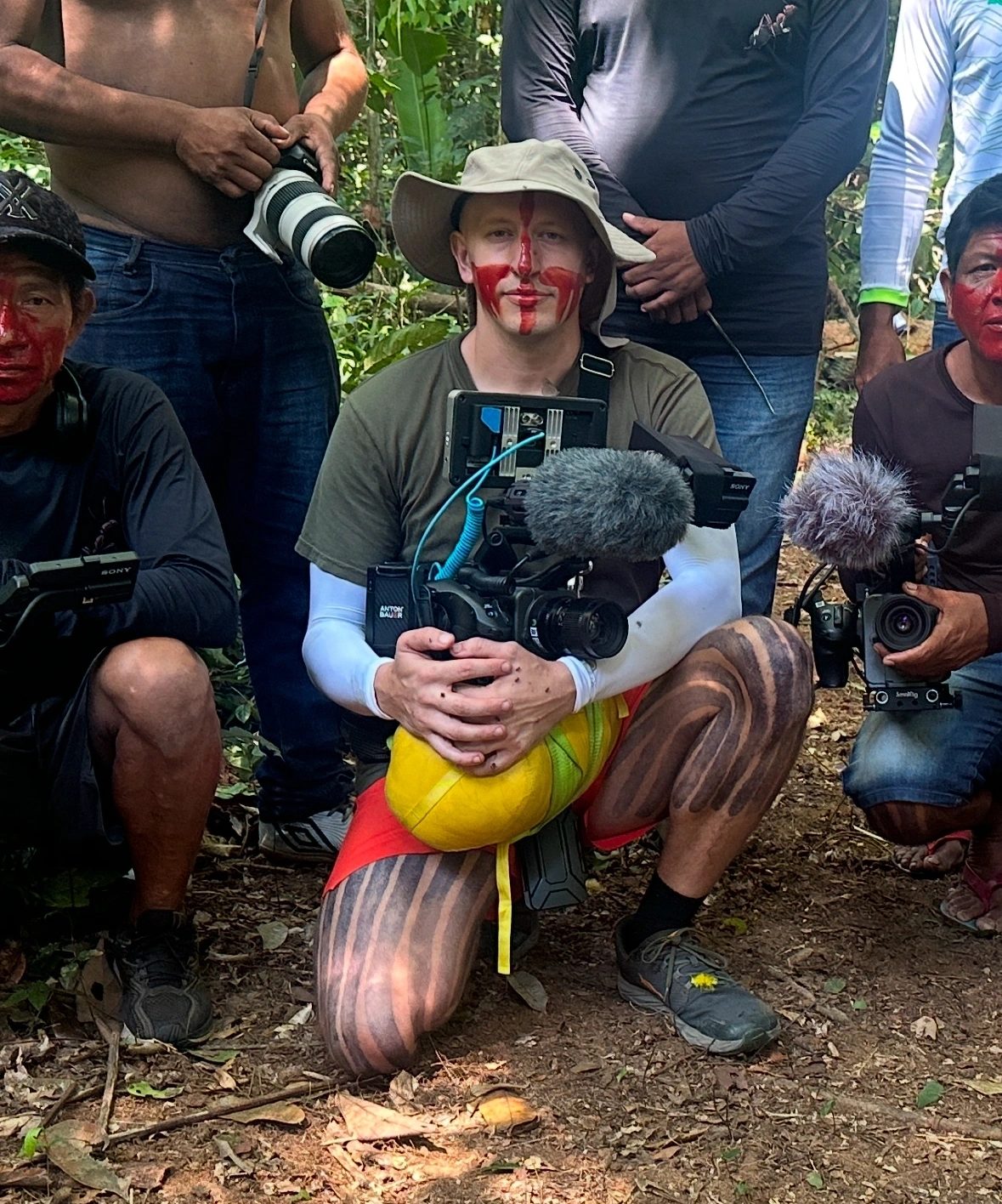
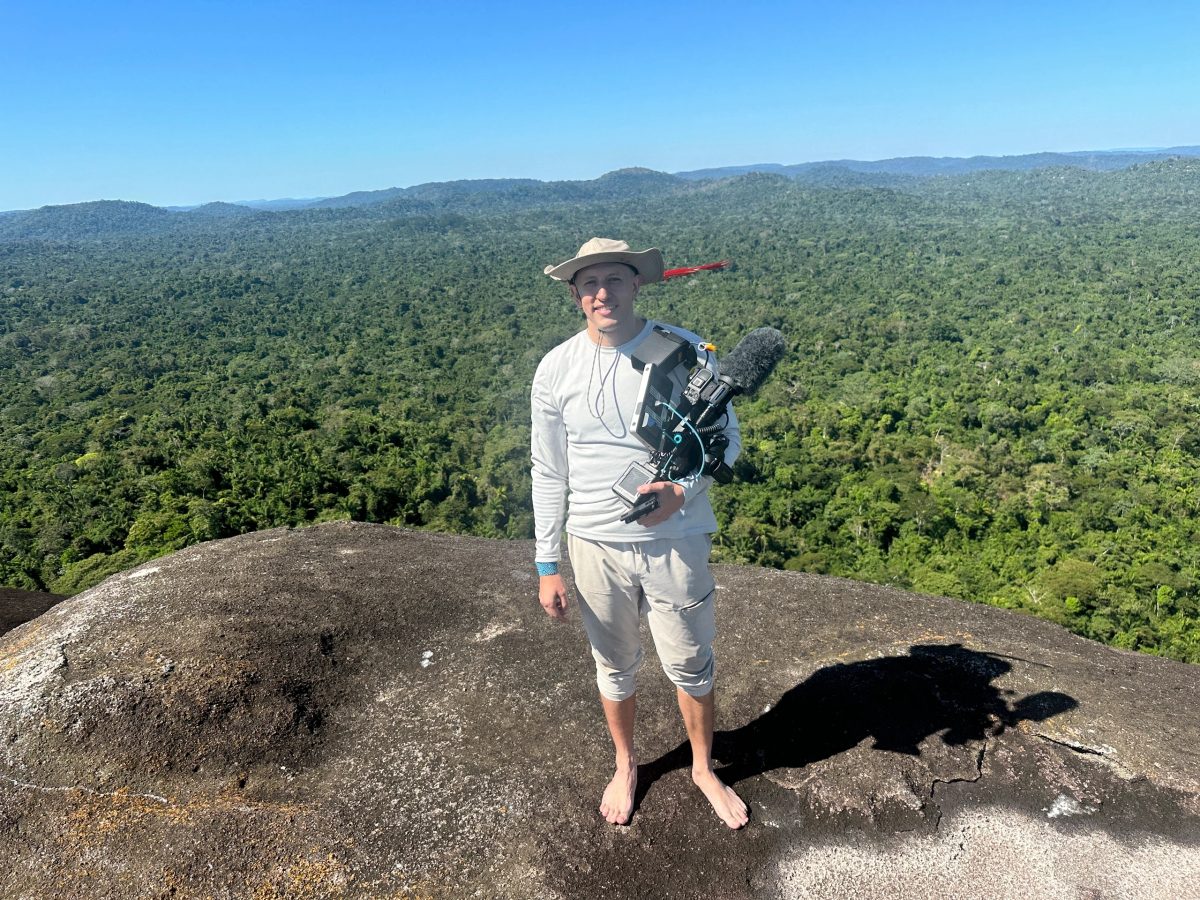
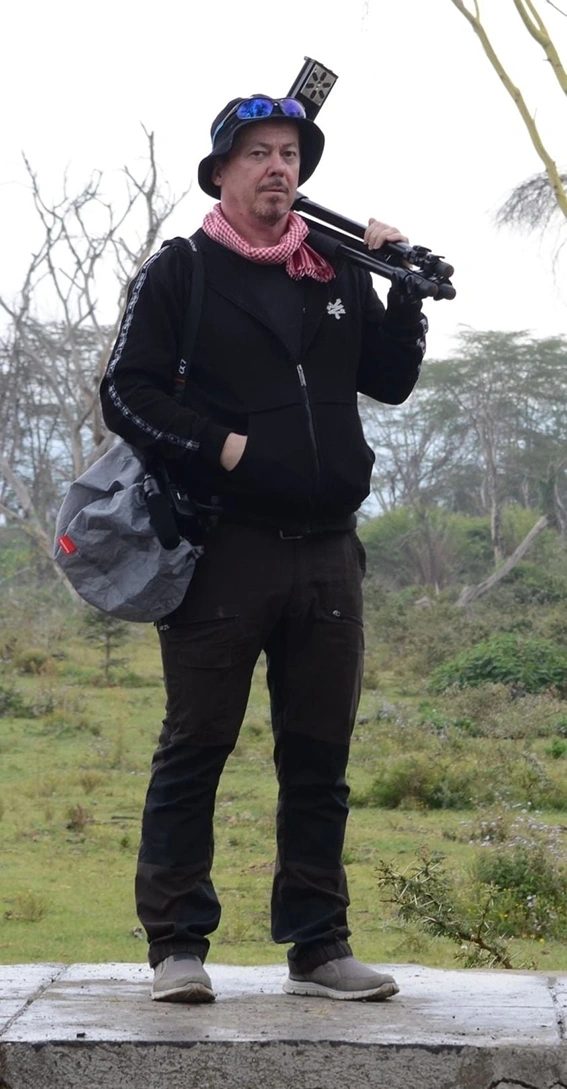
Jari K. Leinonen, Finland. Master of Arts and Bachelor of Media Lecturer/teacher in audiovisual production and a versatile professional in the media industry. “Maybe I'll have more time to work on my own projects once I'm retired.” Own productions as director and screenwriter Documentary films: Deminers (1999), Make a Confession (2000). Travel in Time (2001). Teareye (2026). Fiction short films: Blessed Land (2001). Genesis (2017) filmed during New York Film Academy's 1-week filmmaking course. Also music video productions for various bands. Multiple student productions between own productions.
When did you realize you wanted to be a film director / actor / writer?
As a child, I devoured comics and I was very interested in storytelling through images. In my hometown of Oulu, which has been chosen as the European Capital of Culture for 2026, media studies programs began in the 1990s, and I was given the opportunity to study and train in the audiovisual field based on entrance exams. I continued my studies at the university level and earned a Master's degree in video expression while working at the national television company. I co-wrote and directed projects including the documentary 'Deminers.' However, because the work was freelance by nature, I switched to teaching when the opportunity arose and the work was full-time. Together with students, we have produced several short films, documentaries, and music videos. So, one could say that my childhood dream has largely come true. Excluding own productions
Do you remember your first time at the movies?
My first movie theater experience was the historical spectacle ‘Quo Vadis’ (1951), starring, among others, Peter Ustinov, Robert Taylor, and Deborah Kerr. Although Finnish films were prioritized in theaters in Finland. American movies made in Finland a breakthrough in the 1970s with releases like The Love Bug movies and Western films, which were admired on the large screens where they seemed larger than life. Later, Clint Eastwood became a Western hero. The Italian film ‘They Call Me Trinity’ and Sergei Leone’s and Charles Bronson's ‘Once Upon a Time in the West’ (1968) astonished a young audience. Without forgetting Steven Spielberg's ’ Jaws’ (1975).
If you could change countries, where would you like to work?
In some warm country where taxation and the treatment of people are balanced. In principle, I could work in any country, if I get my hands on a story that's worth telling. As I did when making a documentary in Cambodia.
Two films that have left a mark on your life either for better or worse...
This is difficult, but an important question. Roman Polanski's epic ‘The Pianist’ lingered in my mind for a long time. All the viewers sat tightly in their seats until the end credits finished. Roberto Benigni's ‘Life is Beautiful’ (1997), in all its harshness, was beautiful and its conclusion insightful, leading to redemption after the horrific events. There are many movies that could be mentioned.
What do you think about acting/film schools?
Education is necessary in all fields. However, a student gains the best knowledge through practical work, so production companies and businesses should offer more hands-on work opportunities for those students who have the right attitude towards the different stages of work. Companies should also receive financial support or tax breaks for teaching students.
Have you ever hated your ambition?
No, but sometimes it feels overwhelming when you know you have a good story to tell, but you also know all that it takes to get that story told. When reality hits you in the face with a wet rag, you become a realistic dreamer. And there are plenty of them.
According to François Truffaut, 'Movie lovers are sick people'... was he right?
There are individuals in all walks of life and professions who manage in different ways. However, I understand the claim. The personal compulsion to tell a story can be so strong that it can push a person to the extreme, even to mania. Financial necessities pose the biggest obstacles for many stories that should reach and be seen by a wide audience. Finnish directors have broken through to major productions with persistence and original vision. An example of this is Finnish director Jalmari Helander, who directed the ‘Sisu’ films and is now working on a prequel to the ‘Rambo’ film series.
Close your eyes... if I say 'Movie,' what do you see in your mind?
The faint sound of the projector makes a familiar sound in the background. A beam of light cuts through the dimming theater, with dust particles dancing in its shaft. The fanfares of rising music and the production company's animated logo lead you to a new story. I hope it lingers in your mind and is worth the lost time and experience.
Which director / actor / writer has taught you the most?
Guillermo del Toro’s ‘Pan’s Labyrinth’ (2006) was worth the aforementioned experience. The moment of realization left at the end – just like in the work ‘La vita è bella’ – are those golden emotional moments that a movie creates at its best. Building such an experience is not easy. During my studies, Andrei Tarkovsky's ‘Mirror’ was an impressive experience, and I would be surprised if it hadn't influenced Darren Aronofsky's film ‘Requiem for a Dream’. You cannot overlook Francis Ford Coppola, as his works have taught that a director must have passion and a goal to tell a story, and that money should not dictate it too much. Among Finnish directors, I also cannot overlook Aki and Mika Kaurismäki, brothers whose unique directing style is known worldwide, especially in France.
Speaking about your profession, tell us your greatest dream and worst nightmare... T
To know that a film I have made – or a film made by one of my students – has affected someone in such a way that it has turned their life around in a positive direction amidst chaos.
Of course, the worst nightmare would be the loss of my own child's health, but regarding filmmaking, the worst nightmare would be the complete loss of the film or footage of a fully shot movie.
How important is it to have a good knowledge of film culture?
Knowledge of film culture is not as important today as knowledge of the media, especially social media, which film culture has in a way influenced. Instead of the theater, the images and sounds we handle increasingly affect people who find it difficult to understand everything they see and distinguish between what is real and what is false. Of course, it is good for a filmmaker to know the principles of storytelling and dramaturgy, as well as to understand history and how film has developed from celluloid to videotape and now to digital recordings. Television no longer shows as many films as it does a variety of reality shows and soap operas. Streaming services have hit the jackpot in this regard and managed to make a breakthrough, which on the other hand has taken space away from theaters that are important for the art of cinema.
What would you like to improve as a filmmaker / actor / writer?
It would be good to start teaching film history and basic production techniques at an early stage in schools, so that young people could better distinguish genuine and significant content from content that has a negative influence. The best place to watch a film is still a dark theater with a large screen, so let's keep them going and make good films to be shown in theaters.
A major producer gives you the opportunity to direct / act in a remake of one of your favorite black-and-white films (if you have one)... which film would you choose?
Thinking quickly, it would be interesting to direct Fred Zinnemann's 1952 film ‘High Noon’, starring Gary Cooper, as I would realize it in the style of the Italian master director Sergio Leone, without forgetting the unforgettable composition style of Ennio Morricone. My own perspective and directing style would be reflected through progressive emotions and dark images that become hopeful toward the end. However, a remake of the film was already made in 2000.
The film industry is a tough place, and sometimes it's normal to feel lost and discouraged... Who is the one that keeps you motivated?
Who else would cheer me on better than myself? Clint Eastwood's unpublished goal of dying in the director's chair with his boots on is already a respectable achievement, so I would call him an exemplary director.
Alfred Hitchcock said, 'To make a good film, you need three things: script, script, and script.' Do you agree with him?
Yes. It has also been said that not even a good director can save a bad script, but a bad director might perhaps succeed with a good script. Who knows?! Hitchcock also did not like the use of music in his films, although his most famous movie is actually known for its music. However, I understand this point too, because when overused, music easily overpowers the story and destroys the illusion it creates. When used correctly, it supports the story and brings emotions to the surface.
What is your most ambitious project for the future?
As a documentarian, I would like to explore the backgrounds of different religions and their impact on history and the modern world. As a fiction director, on the other hand, I would like to examine the reasons that lead a self-centered person to choose the wrong side, through which they ultimately learn that choices should not be made for the wrong reasons. I would also like to make people laugh, although comedy is one of the most difficult genres.
What do you wish for yourself as a filmmaker/actor/screenwriter?
Health and a long life to realize some of the above-mentioned dreams, as well as a connection that leads to at least one of them.